Checking Out Autism: Approaches for Reliable Interaction and Communication
Efficient interaction and interaction with individuals on the autism range necessitate a comprehensive understanding of their special demands and preferences. Techniques such as employing clear language, utilizing visual assistances, and promoting constant regimens can substantially improve interaction and lower anxiety. In addition, identifying the significance of non-verbal hints and shared rate of interests leads the way for purposeful connections. Nevertheless, the complexities of these methods reveal further factors to consider that merit expedition, particularly in just how they can be adapted to varied contexts and private experiences. What might these adaptations look like in technique?
Recognizing Autism Range Disorder
Autism Range Disorder (ASD) incorporates a variety of neurodevelopmental problems defined by challenges in social interaction, interaction, and recurring actions. The term "range" mirrors the varied indications and varying levels of severity experienced by people with ASD. While some might show significant impairments, others might show high-functioning attributes, permitting greater independence in life.
The onset of ASD normally occurs in very early youth, with indicators frequently well-known by age two. Early signs may consist of delayed speech growth, limited eye call, and difficulties in understanding social cues. The specific etiology of ASD stays vague, study suggests a mix of ecological and genetic variables plays an important duty in its growth.
As a result, treatments and support customized to individual demands are vital for cultivating communication and social skills. Acknowledging the intricacy of ASD is vital for advertising recognition, approval, and efficient strategies that facilitate purposeful communications with individuals on the spectrum.
Significance of Clear Communication
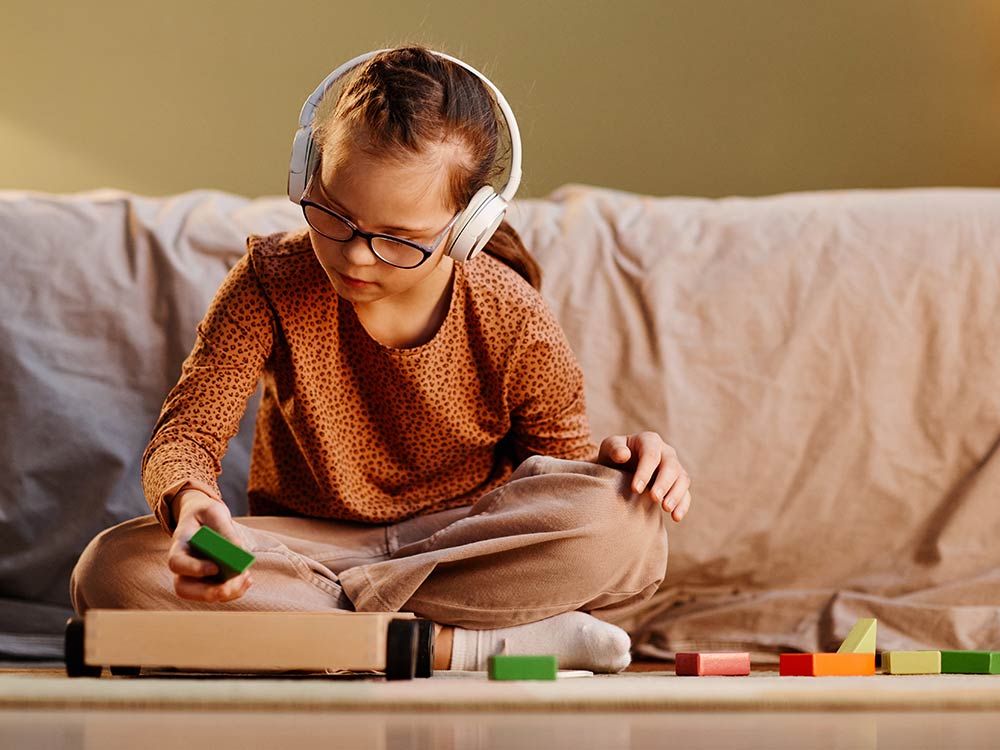
Reliable interaction is essential for fostering understanding and connection, especially for individuals with Autism Spectrum Problem (ASD) Clear interaction not only promotes social interactions yet additionally enhances the person's capability to express their emotions, thoughts, and needs. For individuals with ASD, the nuances of language can commonly be challenging; consequently, utilizing straightforward and distinct language is necessary.
In addition, clear interaction aids decrease stress and stress and anxiety that may occur from misunderstandings. When messages are communicated in a direct and regular fashion, individuals with ASD are better geared up to interpret info precisely, which can substantially enhance their social engagement and participation in numerous settings.
Establishing regimens and utilizing visual assistances can additionally reinforce clear communication. These methods provide individuals with foreseeable structures that aid understanding and retention of details. In addition, proactively paying attention and being person during interactions promotes a helpful setting where people with ASD really feel valued and recognized.
Ultimately, prioritizing clear interaction not just encourages individuals with ASD however also cultivates even more meaningful connections with their peers, caretakers, and the wider community, leading the way for joint relationships and inclusive interactions. - autism
Non-Verbal Communication Techniques
Interaction extends beyond words, and for individuals with Autism Spectrum Condition (ASD), non-verbal hints play a substantial duty in communications. Non-verbal interaction techniques can consist of faces, gestures, body movement, and eye contact, all of which work as crucial components for conveying emotions and objectives.
Understanding and translating these non-verbal signals can enhance More hints communications with individuals with ASD. For example, a cozy smile or open pose can develop an inviting atmosphere, urging interaction. Using aesthetic help-- such as photo cards or symbols-- can bridge communication gaps and help share messages more properly.
It is likewise important to be mindful of individual space, as individuals with ASD might have different comfort levels relating to closeness. Observing their responses to physical distance can inform proper changes.
Producing Helpful Settings
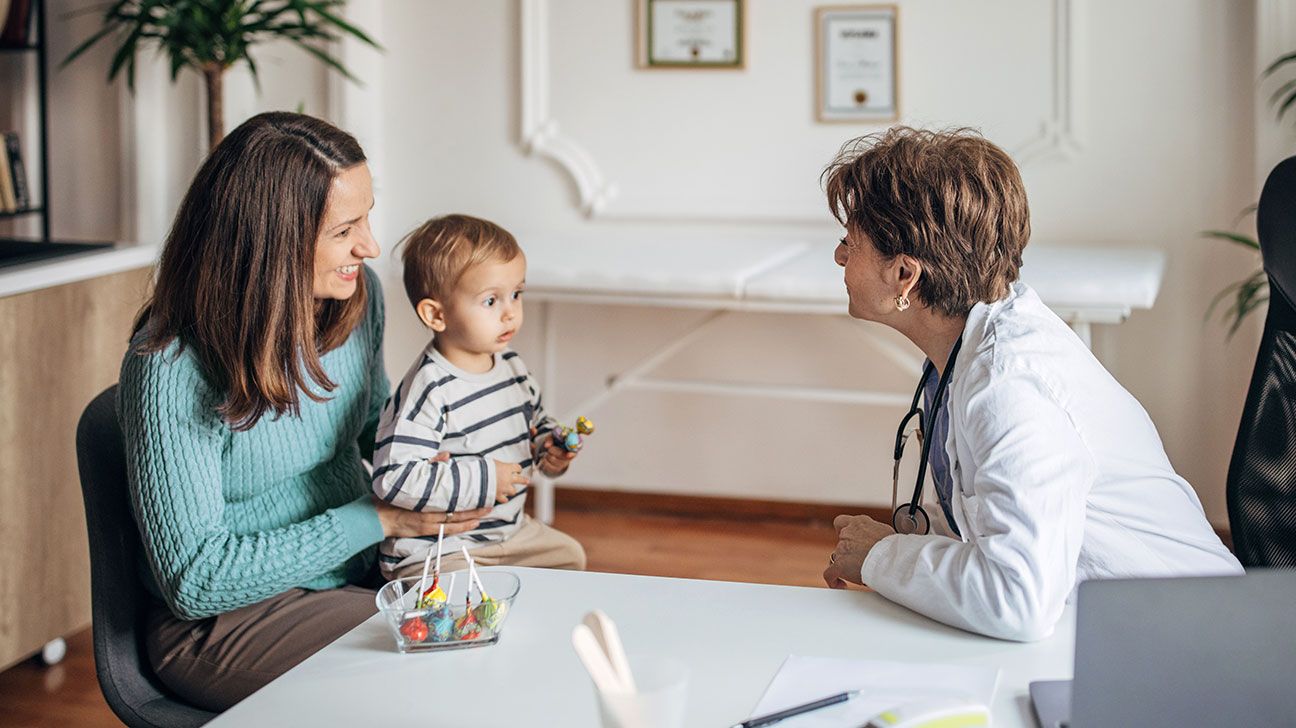
Creating a supportive setting is critical for fostering positive communications and enhancing the wellness of individuals with Autism Spectrum Disorder (ASD) Such settings can significantly reduce anxiousness and produce a sense of safety, enabling individuals to reveal themselves a lot more freely.
To attain this, it is important to take into consideration sensory sensitivities that people with ASD might experience. Changing the physical space to include soft lights, marginal history noise, and comfortable seating can produce a calming ambience. Furthermore, making use of regular regimens and clear visual schedules can aid individuals anticipate transitions and minimize uncertainty, more promoting convenience.
Social spaces should be structured to i thought about this minimize frustrating stimulations while providing opportunities for engagement in favored tasks. Promoting locations designated for quiet time can likewise offer as a refuge during minutes of stress and anxiety. Importantly, including components of choice encourages people, allowing them to work out company in their setting.

Motivating Social Interactions
Cultivating social interactions among people with Autism Range Disorder (ASD) requires deliberate strategies that prioritize comfort and involvement. Establishing predictable regimens can help in reducing anxiety, making social setups more approachable. Creating organized environments with defined roles and obligations permits people to engage without the frustrating pressure of unstructured social dynamics.
Incorporating passions and toughness into social activities can serve as a stimulant for communication. Arranging group activities around shared leisure activities or topics of fascination can promote natural conversations and connections. In addition, using visual supports, such as social manuscripts or pictorial schedules, can help in recognizing social hints and assumptions.
Modeling appropriate social behaviors is essential - autism. Grownups and peers must demonstrate reliable interaction techniques, consisting of energetic listening and turn-taking. Role-playing scenarios can also provide a safe space for people to exercise these skills
Finally, cultivating peer partnerships with inclusive methods is important. Urging inclusive playdates or team getaways can produce chances for socializing in a comfortable setup. By implementing these instructors, caretakers and Your Domain Name strategies can dramatically boost social communications for people with ASD, advertising their total social development and health.
Conclusion
To conclude, reliable communication and communication techniques are crucial for sustaining people with Autism Spectrum Problem. Emphasizing clear language, integrating non-verbal signs, and establishing foreseeable regimens substantially improve interaction and minimize anxiety. Producing helpful settings fosters safe social communications, while urging shared passions assists in purposeful connections. Ultimately, these methods encourage people with autism to navigate social landscapes, promoting their general wellness and allowing the advancement of long lasting relationships.
Reliable interaction and interaction with people on the autism spectrum require a thorough understanding of their special requirements and choices. Clear communication not only facilitates social interactions yet also boosts the individual's capacity to share their needs, emotions, and ideas.Fostering social communications amongst people with Autism Spectrum Problem (ASD) requires deliberate methods that focus on comfort and interaction. By applying these strategies, instructors and caretakers can significantly boost social interactions for individuals with ASD, advertising their general social growth and wellness.
In conclusion, efficient interaction and communication strategies are vital for sustaining individuals with Autism Range Disorder.
Comments on “The Importance of Family Members Assistance in the Journey with Autism”